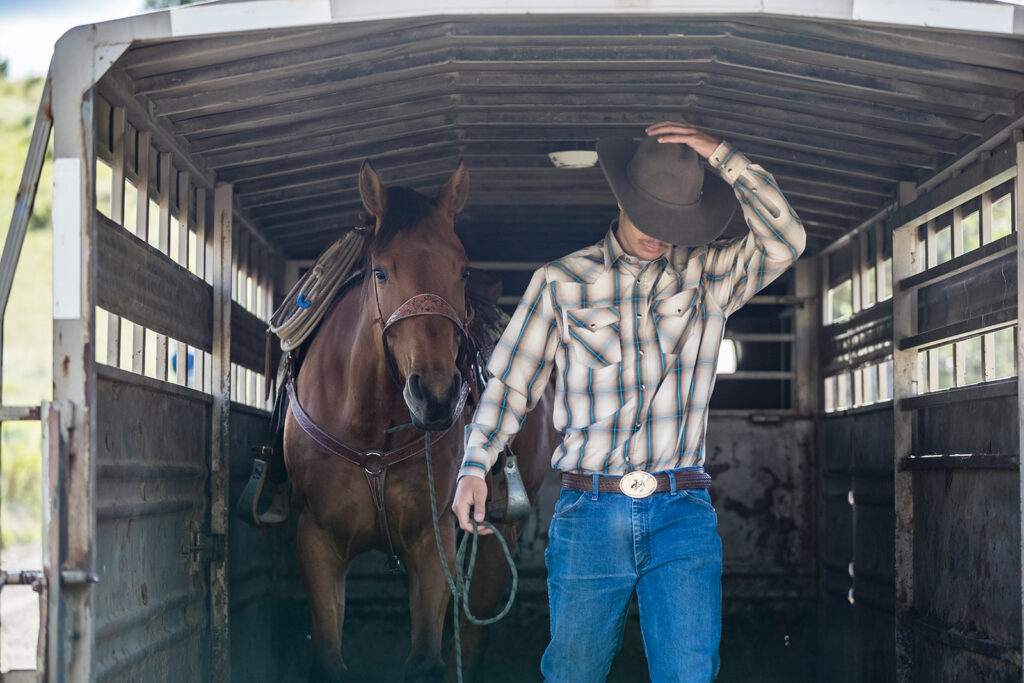
The word “rancher” carries weight. It is not defined by a single task, a property line, or even the number of cattle in a herd. Instead, it is defined by a way of life built on responsibility, observation, and an ongoing commitment to land, livestock, and legacy.
At its core, ranching is about stewardship. A rancher is someone who actively participates in the health of both animals and ecosystems at the same time. That means understanding grazing patterns, soil health, water cycles, seasonal shifts, and animal behavior not as separate systems, but as one interconnected whole. Every decision carries consequences that ripple through the land and the herd.
Modern ranching is not static. It is adaptive. It requires awareness of changing markets, climate variability, evolving genetics, and shifting consumer expectations. A rancher today must be part land manager, part animal caretaker, part business operator, and part long-term thinker. The role demands both physical labor and constant decision-making grounded in observation and experience.
But ranching is also identity shaped over time. It is built through early mornings, long seasons, difficult weather, and the steady accumulation of lessons that cannot be taught in a classroom. It is shaped by showing up when conditions are hard and continuing to improve systems that may never feel “finished.”
There is also a deeper responsibility that defines ranching in the modern era: transparency and connection. Consumers today want to know where their food comes from, how animals are raised, and what practices support the final product. That expectation has reshaped how ranchers communicate their work, turning many into storytellers for an industry that has always worked behind the scenes.
This shift is part of a broader evolution in agriculture. In the mid-1990s, ranchers in Wheeler County, Oregon faced a similar disconnect between their work and how it was valued. They were raising high-quality cattle, yet the market often reduced their efforts into something anonymous. That challenge led to action and the formation of Painted Hills Natural Beef. It was a rancher-led effort to bring identity, integrity, and traceability back into beef production, and it reflected a larger truth: ranchers are not just producers, they are advocates for the systems they believe in.
That same mindset still defines ranching today. Whether managing a few head of cattle or a multi-generational operation, ranchers operate within a framework of responsibility that extends beyond profit. It includes soil regeneration, animal welfare, resource conservation, and the long-term viability of rural communities.
A rancher is also a problem solver. No two days are the same, and no two seasons bring identical conditions. Success depends on adaptability, patience, and a willingness to respond to what the land and livestock are communicating. Experience becomes the most valuable tool, but it is always paired with humility, because nature remains the ultimate teacher.
At its heart, ranching is not just a profession. It is a commitment to continuity. It is the decision to care for something larger than yourself and to pass it forward in better condition than it was received.
To be a rancher is to live in relationship with the land and the animals that depend on it. It is to understand that legacy is not built in a single season, but in thousands of daily choices that add up to something enduring. And it is to carry that responsibility forward with intention, respect, and pride.
15375