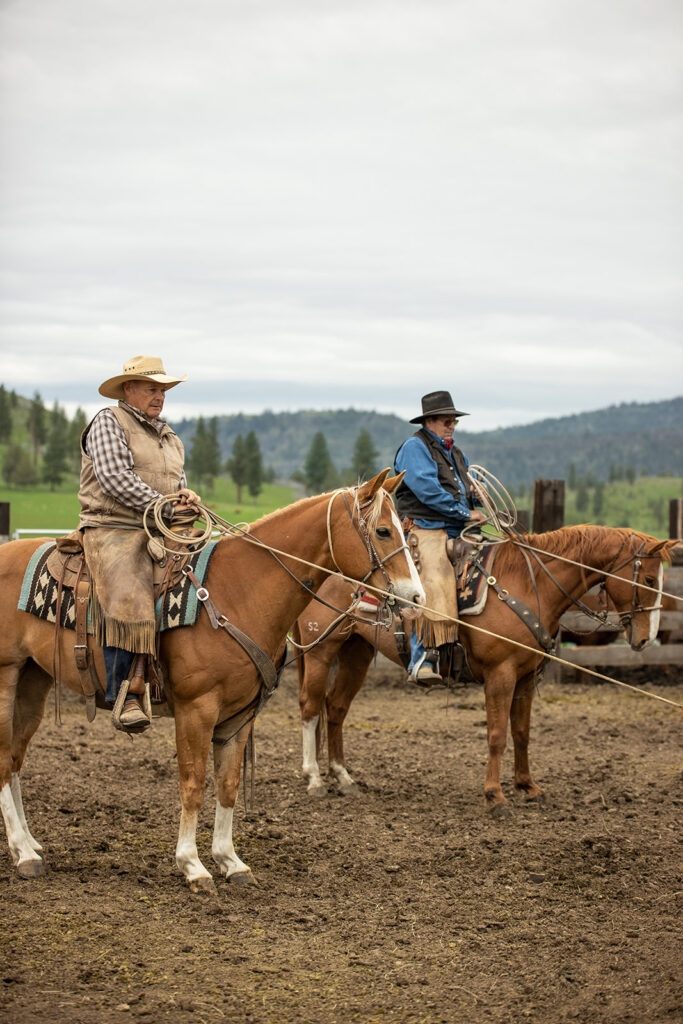
Cowboy traditions are not relics of the past. They are living practices shaped by generations of people who built their lives around cattle, land, and the responsibility of stewardship. These traditions continue to influence modern ranching, carrying forward values that remain as relevant today as they were a century ago.
At the center of cowboy culture is a deep respect for livestock and the land that sustains them. Working cattle is never just about movement or management. It is about understanding animal behavior, reading the landscape, and making decisions that prioritize both the well-being of the herd and the health of the pasture. This awareness is built over time, through experience that cannot be rushed or replaced.
The land itself is a constant teacher. It demands attention and rewards those who learn to observe it closely. Rainfall patterns, seasonal shifts, forage growth, and soil conditions all shape how a ranch operates. Cowboy traditions developed in direct response to these realities, creating systems of knowledge that are practical, adaptable, and rooted in observation.
Horsemanship remains one of the most enduring expressions of this tradition. A horse is not simply a tool for ranch work. It is a partner in navigating terrain, handling cattle, and responding to situations that require precision and trust. The relationship between horse and rider reflects the broader philosophy of ranching: success depends on communication, patience, and mutual respect.
Another defining aspect of cowboy tradition is resilience. Ranch life does not follow predictable schedules. Weather can shift quickly, markets can fluctuate, and animals require constant care regardless of circumstance. Cowboys learn to adapt, to solve problems in real time, and to carry forward even when conditions are difficult. This resilience is not about toughness alone. It is about consistency, responsibility, and showing up for the work every day.
These traditions also carry a strong sense of community. Historically, ranching has never been an isolated endeavor. Neighbors help neighbors during branding, gathering, fencing, and times of hardship. That shared effort builds bonds that extend beyond individual operations and into the fabric of rural life itself.
Modern ranching continues to evolve, but it still draws heavily from these foundations. Even as technology, genetics, and market systems change, the underlying principles remain the same: care for the land, respect the animals, and take responsibility for the outcome of your work.
That philosophy is reflected in the history of ranchers who chose to take ownership of how their cattle were represented in the marketplace. In the mid-1990s, a group of ranchers in Wheeler County, Oregon recognized a disconnect between their work and how beef was being valued. Their response led to the formation of Painted Hills Natural Beef, a rancher-led effort built on transparency, identity, and respect for the people raising the cattle. It was a continuation of cowboy tradition in modern form: solving problems directly, together, and with purpose.
Today, cowboy traditions are still visible in the daily rhythm of ranch life. They show up in the way cattle are handled, in the way land is managed, and in the way ranchers talk about responsibility and legacy. These are not abstract ideals. They are lived practices that shape every decision made on the land.
To celebrate cowboy traditions is to recognize the values they represent: patience, stewardship, resilience, and respect. These lessons from the land continue to guide ranching forward, connecting past generations to those who are still working the cattle and caring for the country today.
15378