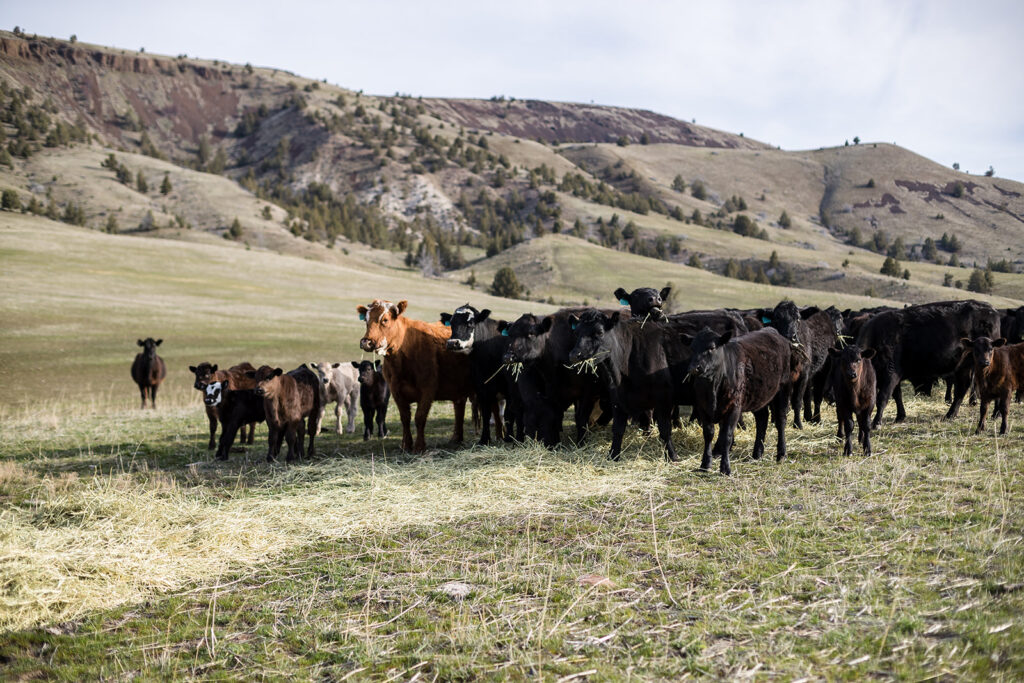
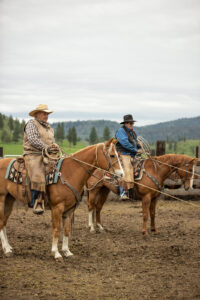
The story of cattle and the land is not passive or distant. It is active, living, and shaped every day by the people who choose to steward both with intention. Across generations, ranchers have built a relationship with the land that is rooted in responsibility, resilience, and a commitment to something larger than themselves.
Healthy land produces more than forage. It produces opportunity, stability, and nourishment. In return, cattle play a vital role in maintaining that land through carefully managed grazing that supports soil health, strengthens pasture diversity, and sustains long-term productivity. This is not coincidence. It is the result of generations of observation, adaptation, and care.
Cattle have always carried weight far beyond the pasture. They represent livelihoods, heritage, and the foundation of rural communities. But for many ranchers, there has also been frustration with how their work has been valued once it leaves the ranch gate. That frustration became the starting point for something much larger.
In the mid-1990s, a group of ranchers in Wheeler County, Oregon began meeting in living rooms to talk about a growing concern. They were raising high-quality cattle, yet the market rarely reflected the effort, genetics, and care behind those animals. Beef in grocery stores had become inconsistent and disconnected from the ranches where it was produced. It was often blended, untraceable, and treated as a generic commodity rather than the result of individual ranching families and their work.
For nearly two years, those conversations continued. Seven ranching families ultimately decided that discussion alone was not enough. In 1997, they took action and Painted Hills Natural Beef was formed.
The early years were anything but simple. Funding operations required sacrifice and persistence. Sourcing cattle that met their standards meant staying committed to strict protocols. Finding feeding and processing partners who would honor those specifications required trust and constant communication. Logistics had to be built from the ground up. Markets had to be created, not just entered.
And then came the most important work of all: stepping into stores, cooking beef for customers, and telling the story face to face. Week after week, ranchers stood in front of consumers explaining not just what they were selling, but why it mattered.
There were moments when the challenges felt overwhelming. Yet something unexpected began to happen. Customers responded. Not just with interest, but with loyalty and appreciation for transparency, consistency, and connection to the source of their food.
That response shaped everything that followed.
Today, that same foundation serves as a reminder of what cattle ranching can be when it is guided by clarity of purpose. It is not only about raising cattle. It is about honoring the land that sustains them, the animals that carry that responsibility forward, and the people who believe that quality should never be hidden inside a system that removes identity.
To appreciate cattle is to appreciate the land itself. It is to recognize that agriculture is not abstract. It is built through daily decisions, long seasons, and generations of commitment.
We are part of a lineage that values stewardship over convenience, integrity over anonymity, and connection over distance. The land and the animals that sustain us deserve nothing less than full respect, full visibility, and full gratitude. And so do the people who have spent their lives ensuring that legacy continues.
15372