Choosing high-quality beef can make a noticeable difference in flavor, tenderness, and overall cooking success. Whether you are shopping for steaks, roasts, or ground beef, knowing what to look for helps ensure a better experience from the store to the plate.
Color and Fresh Appearance
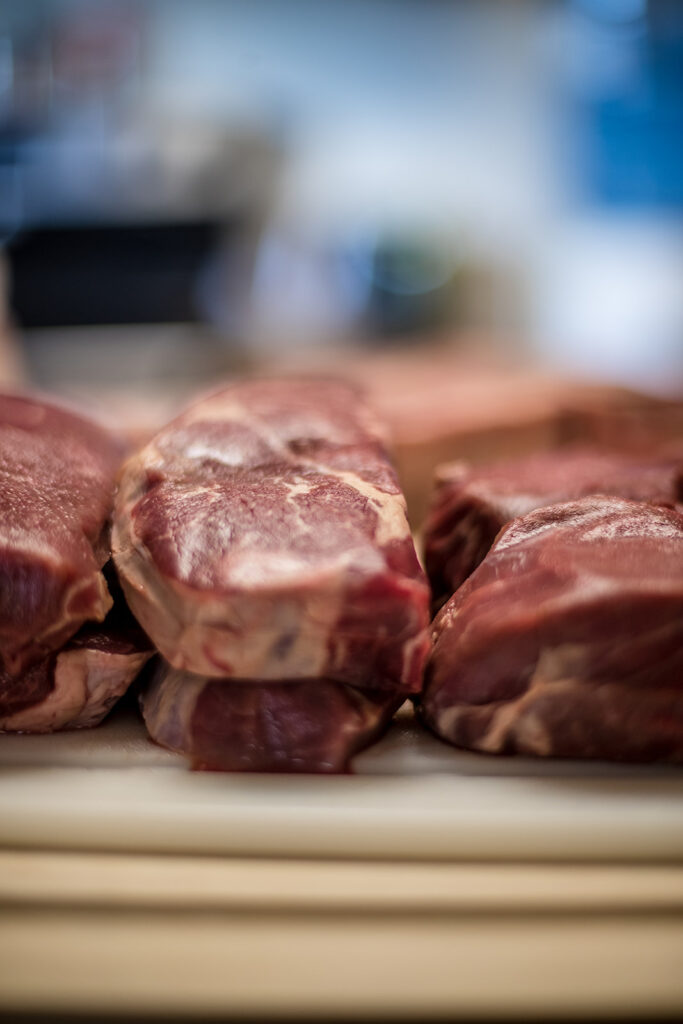
One of the first things to evaluate is color. Fresh beef typically has a bright cherry red tone on the surface. This color comes from exposure to oxygen and is generally a sign of freshness. Vacuum-sealed beef may appear darker in packaging, which is normal, but once exposed to air it should bloom into a red color. Beef that appears gray, dull, or uneven in color may be older or improperly stored.
Consistency is also important. Look for cuts that have even coloring throughout the surface. Excess discoloration or dark spotting can indicate age or inconsistent handling.
Marbling and Eating Quality
Marbling refers to the fine white flecks of fat distributed throughout the muscle. This is one of the strongest indicators of eating quality. As beef cooks, marbling melts and enhances flavor, juiciness, and tenderness.
Cuts with moderate to abundant marbling tend to deliver a richer eating experience, especially for grilling or pan-searing. While lean cuts can still be high quality, they often require more careful cooking to avoid dryness.
Texture, Firmness, and Packaging
High-quality beef should feel firm and slightly springy to the touch. It should not feel overly soft, sticky, or slimy. Texture can reveal how the meat has been handled and stored.
Packaging also provides important clues. Look for tightly sealed packaging with minimal liquid pooling. Excess purge in the tray may indicate the meat has been stored for too long or has been temperature abused during transport or storage.
USDA Grading and What It Means
USDA grading helps standardize beef quality. The two most common retail grades are USDA Choice and USDA Prime. These grades are primarily based on marbling.
USDA Prime offers the highest level of marbling and is often found in restaurants or specialty butcher shops. USDA Choice is widely available and still offers excellent quality for most cooking methods. Both grades are considered reliable indicators of tenderness and flavor potential.
Sourcing and Production Standards
Many consumers today also consider sourcing as part of quality. Transparency in production practices, animal care standards, and processing methods can all contribute to confidence in the product.
Beef programs that emphasize responsible ranching practices, humane animal handling, and strict production guidelines often prioritize consistency from ranch to retail. This helps ensure a more reliable eating experience.
Cut Selection and Cooking Method
Quality is also influenced by how well a cut matches its intended cooking method. Tender cuts like ribeye, strip steak, and tenderloin are best suited for high-heat, fast cooking methods such as grilling or pan-searing.
Tougher cuts like chuck roast, brisket, or round benefit from slow cooking methods that break down connective tissue and enhance tenderness over time. Matching the right cut to the right method is essential for maximizing quality.
Smell and Final Freshness Check
Fresh beef should have little to no odor. A clean, neutral smell is ideal. Any sour, ammonia-like, or off-putting scent is a clear sign the product should not be used.
Understanding these basic indicators helps ensure better meals and more consistent cooking results.