Whether you are cooking dinner for two or feeding a table full of family and friends, great beef starts with a few simple fundamentals. Beef is one of the most versatile proteins you can keep in your kitchen, and learning how to select, prepare, store, and serve it can make every meal more enjoyable. At Painted Hills Natural Beef, we believe good food starts with quality ingredients, and a little knowledge in the kitchen goes a long way toward making every cut shine.
Choose the Right Cut for the Meal
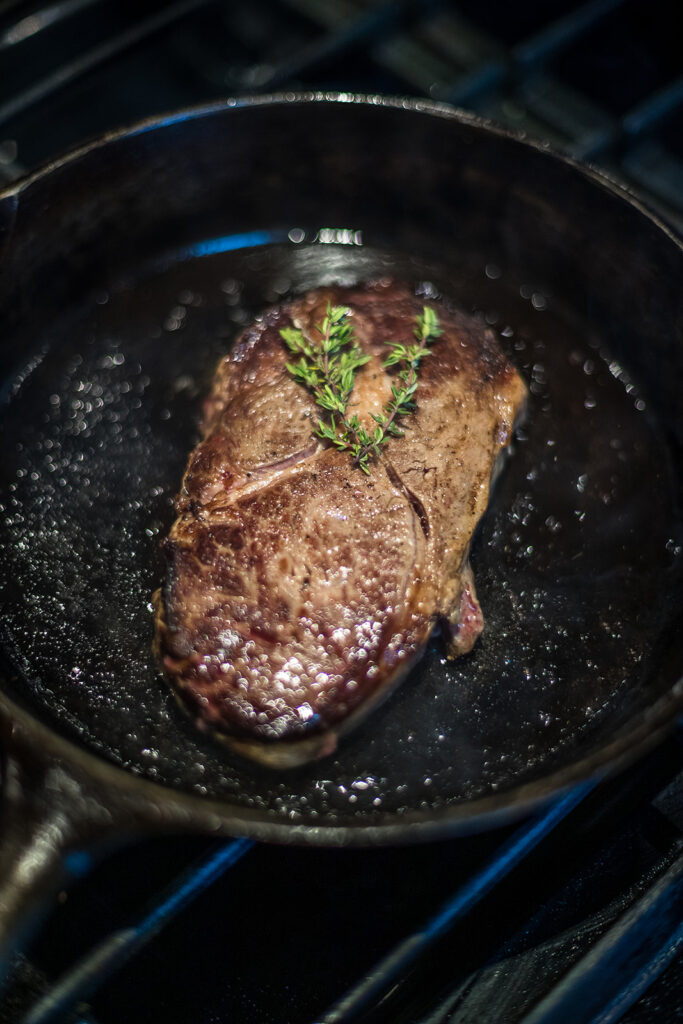
Not every cut of beef is meant to be cooked the same way. Tender cuts like ribeye, New York strip, and filet are perfect for quick cooking methods such as grilling, pan searing, or broiling. These cuts naturally have the tenderness that allows them to cook quickly while staying juicy.
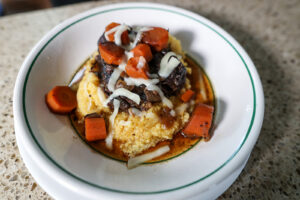
Cuts like chuck roast, brisket, and short ribs benefit from low and slow cooking. Braising, roasting, or slow cooking gives the connective tissue time to break down, creating rich flavor and fork tender bites. Ground beef remains one of the most versatile options because it works well in everything from tacos and burgers to pasta sauces and soups.
Matching the cooking method to the cut is one of the easiest ways to create consistently delicious meals.
Store Beef the Right Way
Proper storage helps preserve both flavor and quality. Fresh beef should be kept refrigerated and cooked within a few days of purchase. If you are not planning to use it right away, freezing is a great option.
Wrap beef tightly if transferring it to another container to help prevent freezer burn. Label packages with the date so you can rotate older products to the front and use them first. When it is time to thaw frozen beef, place it in the refrigerator overnight. This slow thaw helps maintain texture while keeping the meat at a safe temperature.
Avoid thawing beef on the kitchen counter, as it can allow harmful bacteria to grow before the center has fully thawed.
Simple Cooking Tips for Better Results
One of the biggest mistakes home cooks make is cooking beef straight from the refrigerator. Allowing it to rest at room temperature for about 20 to 30 minutes before cooking helps it cook more evenly.
Seasoning does not have to be complicated. Salt, pepper, garlic, and your favorite herbs often provide everything you need to highlight the natural flavor of high quality beef. Use a meat thermometer whenever possible to remove the guesswork. It is one of the easiest tools for achieving your preferred level of doneness without overcooking.
After cooking, allow beef to rest for several minutes before slicing. This gives the juices time to redistribute throughout the meat, resulting in a more flavorful and tender bite.
Serve Beef in New Ways
Beef easily fits into meals beyond traditional steak dinners. Thinly sliced steak can top fresh salads, leftover roast can become hearty sandwiches, and ground beef can be added to grain bowls, stuffed peppers, or homemade chili.
Pair beef with colorful vegetables, roasted potatoes, seasonal produce, or whole grains for balanced meals that everyone at the table will enjoy.
Make Every Meal Count
Cooking great beef does not require complicated recipes or expensive equipment. Understanding the basics of selecting the right cut, storing it properly, and using the right cooking method helps you get the most from every meal. With a little preparation and quality beef at the center of your table, everyday dinners can become meals your family looks forward to sharing.