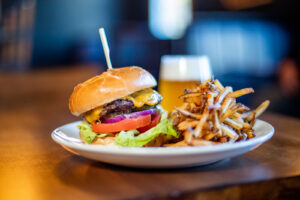
A perfectly prepared cut of beef has a quality everyone recognizes: it is tender, flavorful, and juicy. Whether it is a steak fresh from the grill, a slow-cooked roast shared around the family table, or a burger enjoyed at a summer gathering, juiciness is part of what makes beef such a beloved food.
But what creates that satisfying experience? The answer is not just one thing. The flavor and texture of beef are influenced by several factors, including the characteristics of the animal, the way the beef is raised, the cut selected, and how it is prepared.
Understanding what makes beef juicy can help you appreciate the journey from ranch to table and make the most of every cut you bring home.
Marbling and Flavor Go Hand in Hand
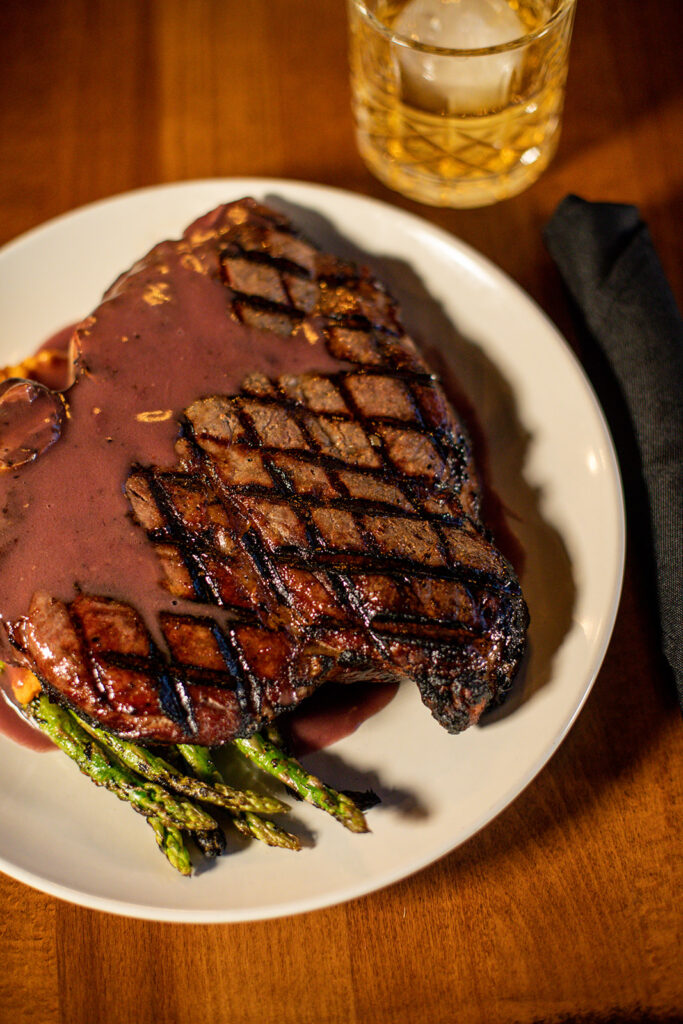
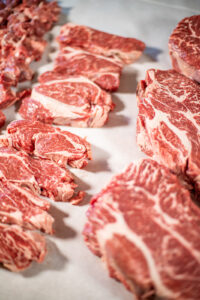
One of the most recognized contributors to juicy beef is marbling. Marbling refers to the small streaks of fat that naturally develop within the muscle of beef. During cooking, this fat melts and helps create the rich flavor and tender texture many people associate with a great steak.
Marbling is influenced by several factors, including genetics, nutrition, and the overall development of the animal. It is one piece of a much larger picture when it comes to producing flavorful beef.
While marbling receives a lot of attention, it works together with many other qualities that determine the final eating experience. A great cut of beef is the result of multiple factors coming together.
Choosing the Right Cut Matters
Different cuts of beef have different characteristics because each part of the animal serves a different purpose. Understanding those differences can help you choose the right cooking method and bring out the best qualities in each cut.
Steaks such as ribeye, strip, and tenderloin are often prepared quickly over high heat, allowing the natural flavor and texture of the beef to stand out. Other cuts, such as chuck roast or brisket, benefit from slower cooking methods that allow time for connective tissues to break down and create tenderness.
The secret is not that one cut is better than another. It is knowing how to prepare each cut in a way that highlights what makes it special.
Cooking Technique Makes a Difference
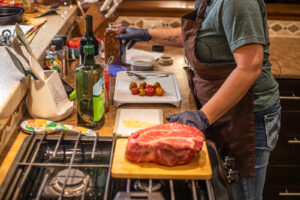
Even the highest quality beef depends on proper preparation. Cooking temperature, timing, and technique all influence how juicy the final meal will be. A properly heated grill or pan helps create a flavorful crust while keeping the inside tender. Avoiding overcooking helps preserve moisture and allows the natural qualities of the beef to remain noticeable. Using a thermometer, allowing the beef to cook evenly, and understanding your preferred level of doneness are simple steps that can make a meaningful difference in the final result.
Resting Keeps the Flavor Where It Belongs
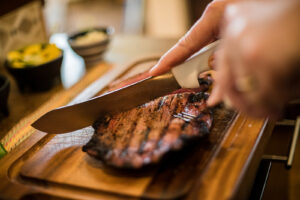
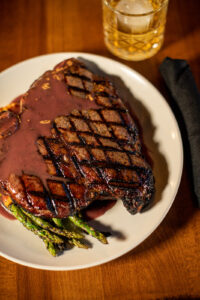
One of the easiest ways to improve the juiciness of beef happens after cooking. Allowing the meat to rest before slicing gives the natural juices time to redistribute throughout the cut. When beef is sliced too quickly, those flavorful juices can escape before they have a chance to settle back into the meat. A few minutes of patience after cooking can help create a more tender and enjoyable bite. This small step is one that professional cooks and experienced home chefs have relied on for generations.
Quality Begins on the Ranch
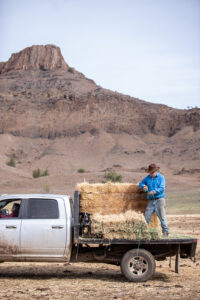
The journey toward flavorful beef begins long before cooking. The care provided throughout an animal’s life plays an important role in creating a quality product. At Painted Hills Natural Beef, ranchers focus on responsible animal care, thoughtful nutrition, and land stewardship. Their cattle are raised on family ranches throughout the Northwest, where generations of experience guide the way they care for the animals and the land. Ranchers understand that quality is built through many small decisions made every day. Those choices contribute to the beef that eventually reaches family kitchens and dinner tables.
Bringing Out the Best in Every Cut
Juicy beef is the result of many factors working together. The animal, the cut, the cooking method, and the care taken during preparation all contribute to the final experience. The next time you enjoy a flavorful steak, tender roast, or perfectly cooked burger, remember that the meal began long before it reached your plate. It started with ranchers, careful practices, and a commitment to producing beef families can enjoy.